Global Integrity
Field notes on keeping shared knowledge whole when it crosses borders, languages and archives.
Why this note exists
Open knowledge travels faster than the checks that keep it accurate. A figure copied from one site into another can lose its source, its date and its method within a few steps.
This page records how slashopen.net thinks about integrity at a global scale: what we keep, what we correct, and what we leave visible when we are unsure.
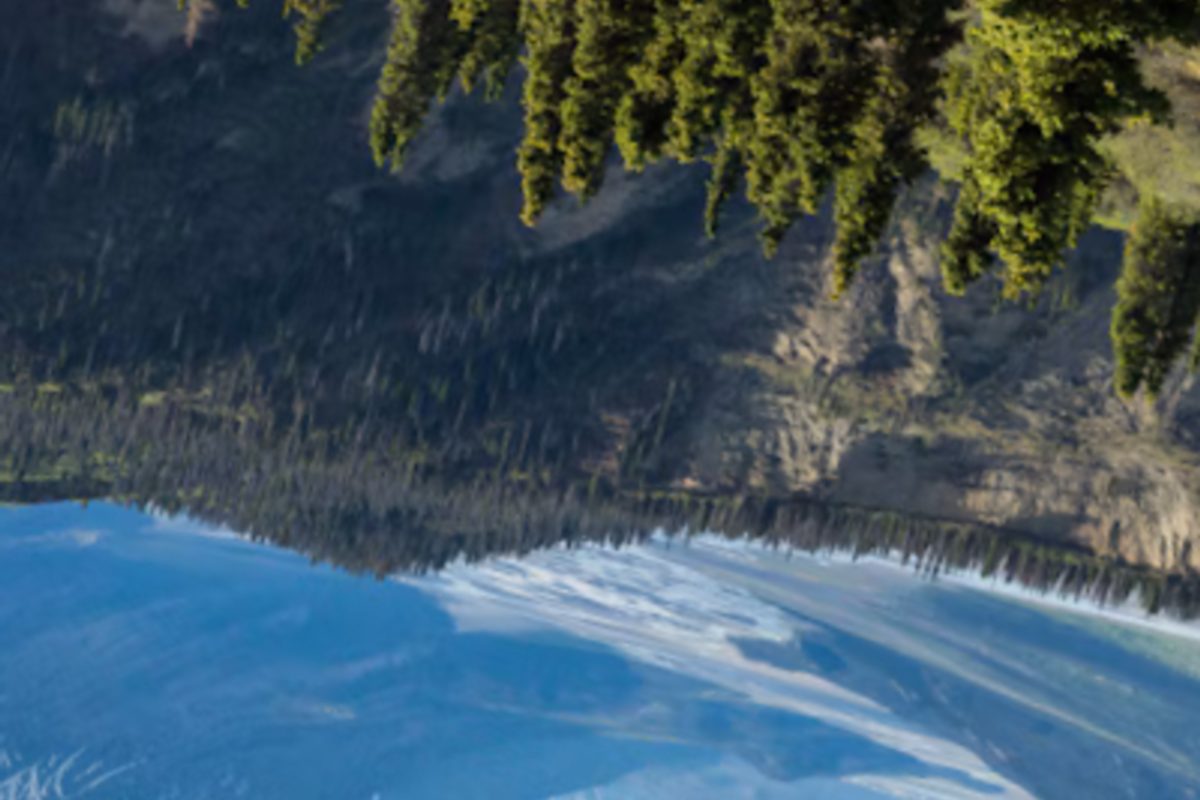
Mountain ridges above the cloud line. Distant places look sharp from here, but the detail on the valley floor only shows up when you walk down to it.
What we check before we publish
Every entry in an open notebook needs the same minimum before it leaves draft.
- A named source, with the link kept intact
- The date the observation was made, not the date it was copied
- The language of the original, with any translation marked as ours
- A plain statement of what is still unknown
Open grassland after rain. Integrity here means that a reading taken in one season is not quietly reused as the reading for the next.
Corrections stay visible
When a note turns out to be wrong, we do not replace it silently. The original text stays in place with a dated correction beneath it, so readers can see how our understanding changed.
Corrections are cheaper than reputation damage, and they are the only way a shared record can earn trust over many years.
Still water reflects the hills around it. A reflection is accurate only when the surface is calm, which is why we wait before we record a pattern.
For how we handle transparency in practice, read our transparency notes. For the rules that govern contributions, see guidelines.
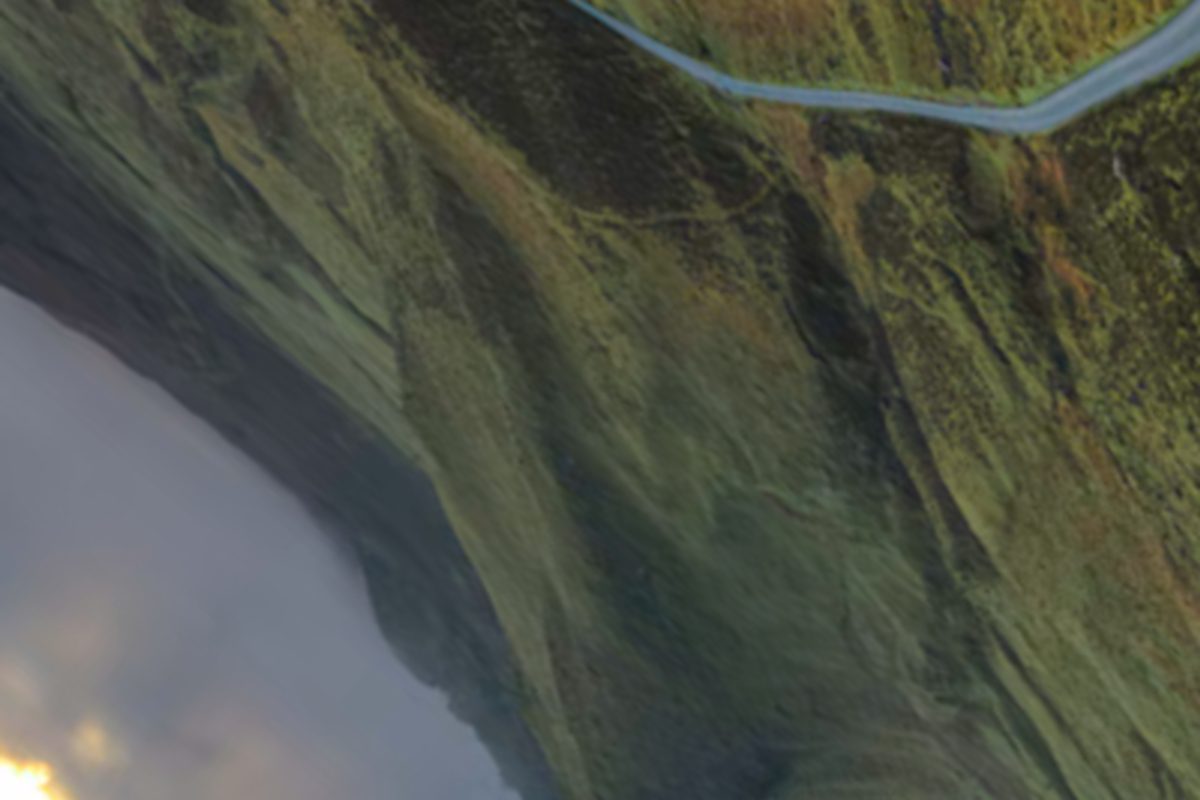
A lake at dawn, edged with forest. Shared records look most useful when they show their edges, including the places where the data stops.